Poker Rules
Poker rules are easy to learn once you understand how a hand works. Most poker games use the same basic ideas. Players receive cards, place bets, make decisions, and try to win the pot.
The exact rules depend on the poker variant. Texas Hold’em works differently from Omaha, Five Card Draw, and Seven Card Stud. Still, every version comes back to the same goal. You want to make the best hand, force your opponents to fold, or both.
This page gives you a clear starting point. You will learn how poker works, which actions you can take, and which poker games are most common. After that, you can move to the detailed rule pages for each variant.
Learn the basic poker rules first
Texas Hold’em is the best place for most new players to start. It is the most popular poker game in the United States. It is also the main game on most online poker sites.
In Texas Hold’em, every player receives two private cards. These are called hole cards. The dealer then places five community cards on the table. All remaining players can use those shared cards to make their best five-card poker hand.
However, poker is not only about the cards. Betting is just as important. You can win with the best hand at showdown, but you can also win before showdown. That happens when all other players fold.
The goal of poker
The goal in poker is to win the pot. The pot contains all chips or money bet during the hand.
You can win the pot in two ways. First, you can have the best hand when the cards are shown. Second, you can make every other player fold before the showdown.
This is what makes poker different from many other card games. A weak hand can still win if you bet at the right time. A strong hand can also lose if you play it badly.
The poker deck
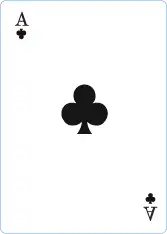
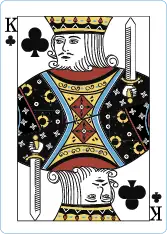
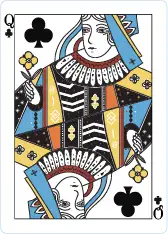
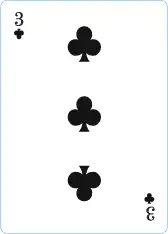
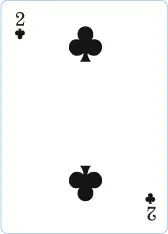
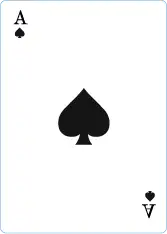
In most cases, poker uses a standard 52-card deck. The deck has four suits: clubs, diamonds, hearts, and spades. Each suit has thirteen cards.
The cards run from two up to ace. In most poker games, the ace is the highest card. However, an ace can also count as low in some straights. For example, ace, two, three, four, and five makes a five-high straight.
Jokers are not used in regular Texas Hold’em, Omaha, Five Card Draw, or Seven Card Stud. Some home games use jokers as wild cards, but that is not standard poker.
Playing cards
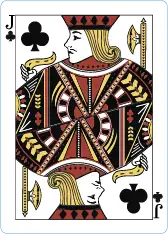
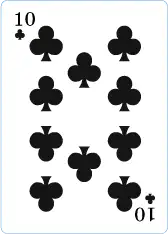
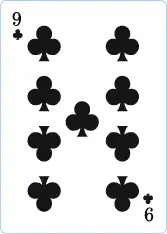
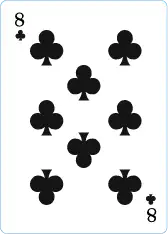
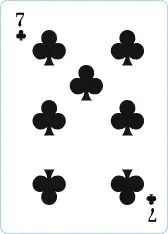
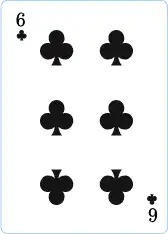
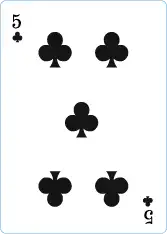
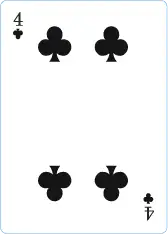
The four suits
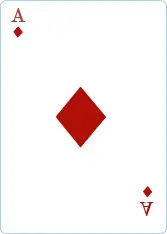
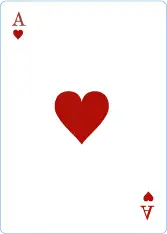
There are four suits in poker. Clubs and spades are black. Red suits include diamonds and hearts.
In most poker games, suits do not have a ranking. A flush in hearts is not stronger than a flush in clubs. The value of the cards decides the winner, not the suit.
Suits can matter in special situations, such as dealing for the button. However, they almost never decide who wins a poker hand.
Understanding poker hand rankings

Hand strength determines poker hand rankings. A royal flush is the best possible hand. High card is the weakest possible hand.
You must understand hand rankings before you play for real money. If you misread your hand, you may call when you should fold. You may also fold a hand that was actually winning.
The standard poker hand rankings are:
- Royal flush
- Straight flush
- Four of a kind
- Full house
- Flush
- Straight
- Three of a kind
- Two pair
- One pair
- High card
You can read the full explanation on the poker hand rankings page.
Common poker actions
In poker, action moves around the table in order. When it is your turn, you choose what to do. Your options depend on the action before you.
The most common poker actions are check, bet, call, raise, and fold. These actions decide whether you stay in the hand, add money to the pot, or give up your cards.
Bet
You bet when no one has made a bet yet in the current betting round. A bet puts chips into the pot and forces the next players to respond.
After you bet, your opponents can call, raise, or fold. If every opponent folds, you win the pot without showing your cards.
Call
You call when another player has already bet. Calling means you match the current bet and stay in the hand.
For example, if another player bets $10, you must also put in $10 to call. If you do not want to call, you can fold or raise.
Fold
You fold when you give up your cards. Once you fold, you cannot win the hand anymore.
Players fold when they think their hand is too weak. They may also fold because the price to continue is too high.
Check
You check when no one has bet during the current betting round. A check means you stay in the hand without betting.
Checking is not the same as folding. You still keep your cards and can win the pot later. However, another player may bet after you check.
Raise
You raise when you increase the current bet. A raise puts more pressure on your opponents.
For example, if another player bets $10, you may raise to $30. Your opponents must now call $30, raise again, or fold.
Blinds, antes, and forced bets

Many poker games use forced bets. These bets create action before players choose what to do.
In Texas Hold’em and Omaha, the two most common forced bets are the small blind and the big blind. The player left of the dealer button posts the small blind. The next player posts the big blind.
Antes work differently. An ante is a small forced bet that every player pays before the hand starts. Antes are common in tournaments and some stud games.
Forced bets matter because they create a pot worth fighting for. Without blinds or antes, players could wait too long for premium hands.
Betting rounds in poker
Poker hands usually have several betting rounds. A betting round gives each player a chance to act.
The exact betting rounds depend on the poker variant. Texas Hold’em has four betting rounds: preflop, flop, turn, and river. Seven Card Stud uses a different structure because there are no community cards.
During each betting round, players act in order. You should never act before your turn. Acting out of turn gives away information and can create unfair situations.
Betting structures
Poker games also use different betting structures. The betting structure controls how much players can bet or raise.
The three main betting structures are No-Limit, Pot-Limit, and Fixed-Limit.
No-Limit allows players to bet any amount up to their full stack. Pot-Limit limits the maximum bet to the current size of the pot. Fixed-Limit uses fixed bet sizes for each betting round.
Many players choose the No-Limit format for Texas Hold’em. Omaha is often played as Pot-Limit. Stud games are often played as Fixed-Limit.
How a Texas Hold’em hand works

Texas Hold’em is the best game to learn first. The rules are simple, and most poker strategy starts there.
Posting the blinds starts a hand. Then each player receives two hole cards. These cards are private and belong only to that player.
After that, the first betting round begins. This round is called preflop. During this round, players can call, raise, or fold.
If at least two players remain, the dealer places three community cards on the table. These three cards are called the flop. A second betting round follows.
Next, the dealer places the fourth community card on the table. This card is called the turn. Another betting round takes place.
Finally, the dealer places the fifth community card on the table. This card is called the river. After the final betting round, remaining players go to showdown.
At showdown, players make their best five-card hand. They can use both hole cards, one hole card, or no hole cards. The best hand wins the pot.
Main types of poker
There are three main groups that most poker games fall into. These are draw poker, stud poker, and community card poker.
Each group works differently. However, the goal stays the same. You try to win the pot with the best hand, smart betting, or well-timed pressure.
Draw poker
In draw poker, players receive private cards. They then choose which cards to keep and which cards to replace.
Five Card Draw is the best-known draw poker game. Each player receives five cards face down. After the first betting round, players may discard cards and draw new ones.
This makes draw poker easy to understand. You start with a hand, try to improve it, and then compare hands at showdown.
Stud poker

Stud poker does not use community cards. Each player receives their own cards during the hand.
Some cards are face down, while others are face up. This means you can see part of your opponents’ hands, but not everything.
Seven Card Stud is the most popular stud version. Razz and Stud Hi-Lo are also common variations. You will often see these games in mixed poker formats.
Community card poker
Community card poker combines private cards with shared cards on the table. These shared cards are called community cards.
Texas Hold’em and Omaha are the two most popular versions. Both use five community cards, but they do not use hole cards in the same way.
In Texas Hold’em, players receive two hole cards. They can use any combination of hole cards and community cards.
In Omaha, players receive four hole cards. They must use exactly two hole cards and exactly three community cards.
Common beginner mistakes
New players often lose money because they misunderstand simple rules. Learning the basics first helps you avoid these mistakes.
One common mistake is acting before your turn. This can reveal information to other players. It can also affect the action unfairly.
Another mistake is misreading the board. In Texas Hold’em, the best hand uses five cards only. A sixth card never improves your hand.
Omaha creates another common mistake. You must use exactly two hole cards in Omaha. You cannot use one, three, or four hole cards.
Many beginners also forget that suits do not outrank each other. A spade flush does not beat a heart flush because it is spades. The card values decide the winner.
Learn poker rules by variant
The easiest way to learn poker is to study one game at a time. Start with Texas Hold’em if you are new. Then move to Omaha, Stud, or Draw Poker.
Use these rule pages as your next step:
Responsible play and poker rules
Poker should stay fun, controlled, and affordable. You should only play with money you can afford to lose.
Rules help you understand the game. However, they do not remove risk. Even strong players lose hands, sessions, and tournaments.
Before you play online poker, check the rules of the site. Also check the legal gambling age in your state. OnlinePokerSitesUS.com is intended for adults only.
Frequently asked questions about poker rules
You can win by having the best hand at showdown. You can also win when all other players fold before showdown.
Most online poker sites offer Texas Hold’em cash games and tournaments. That makes it the best starting point for most beginners.
Five Card Draw gives each player five cards. Seven Card Stud gives each player seven cards by the end of the hand.
If two players have the same flush strength, the highest card decides the winner. The suit itself does not break the tie.
In most other situations, the ace is the highest card. For example, ace-king beats king-queen.
If both players have the exact same five-card hand, they split the pot.
Omaha gives each player four hole cards. Players must use exactly two hole cards and exactly three community cards.